AIRSPACE
From civilian to FAA-certified commercial drone pilot.
60 days. Real jobs. Legal flights.
60
days to certified
94%
pass rate
$185
avg hourly rate
Who are you flying for? Select your path →
The sky is open for business.
The FAA projects commercial drone operations will generate 170,000 jobs by 2030. Real estate, construction, agriculture, and emergency services are all hiring — but they need pilots with the ticket. That's the Part 107. That's what we teach.
Market Opportunity
$127B
US commercial drone market by 2030 — and the operators flying those jobs need an FAA certificate in their back pocket.
$185/hr
Average Part 107 operator rate
60 Days
From zero to FAA-certified with Airspace
94%
First-attempt Part 107 pass rate
170,000
FAA-projected drone jobs by 2030
Airspace Pass Rate
94%
of Airspace graduates pass Part 107 on their first attempt
The Part 107 decoded.
Six core modules. 30 hours of structured instruction. Every topic the FAA will test you on — rendered clear, interactive, and applied to real commercial scenarios. Tap any card to flip it.
Airspace Classification
Class A through G, TFRs, MOAs, and restricted zones — decoded.
Airspace Classification
Learn to read a sectional chart, identify airspace boundaries, and request waivers. You'll know exactly where you can fly before you ever leave the ground.
Weather Theory & METARs
Density altitude, wind shear, and why clouds matter at 400 AGL.
Weather Theory & METARs
Interpret METARs, TAFs, and winds-aloft forecasts. Understand how temperature inversions and fog affect drone performance — and when to scrub the flight.
Loading & Performance
Payload, battery math, and how weight changes your flight envelope.
Loading & Performance
Calculate weight and balance for commercial payloads. Understand how altitude, temperature, and humidity affect your drone's ceiling and endurance.
FAA Regulations & LAANC
14 CFR Part 107 — every rule that governs commercial UAS operations.
FAA Regulations & LAANC
Remote ID, registration, waiver categories, and LAANC authorization. Know exactly what paperwork is required before you charge a client a single dollar.
Radio Communications
Talking to ATC: when you must, what to say, and how to listen.
Radio Communications
Practice phonetic alphabet, position reports, and how to request clearances near Class D airports. Most pilots never call ATC — you'll know how.
Emergency Procedures
Lost link, flyaway scenarios, and crew resource management.
Emergency Procedures
Build pre-flight checklists, define abort criteria, and practice lost-link protocols. The FAA tests this — so do we, with real scenarios.
All modules include practice exam questions pulled from the FAA's actual question bank. Students average a score improvement of 31 points from first to final practice test.
Mid-flight. Real students.
These aren't polished case studies. They're mid-course check-ins from students who were exactly where you are six weeks ago.
Week 4 — First solo flight
52%
Day 1 Score
89%
Final Score
+37 pts
"I was subcontracting aerial shots for $75 a pop."Marcus shot 12 listings in his first month post-certification. His first client was a broker he'd been referring aerial work to for two years.
Marcus Webb
Real Estate Photographer · Austin, TX
Graduates on real jobsites.
Not stock photos. Not staged shoots. These are the four most common commercial applications our graduates are flying within 90 days of certification.
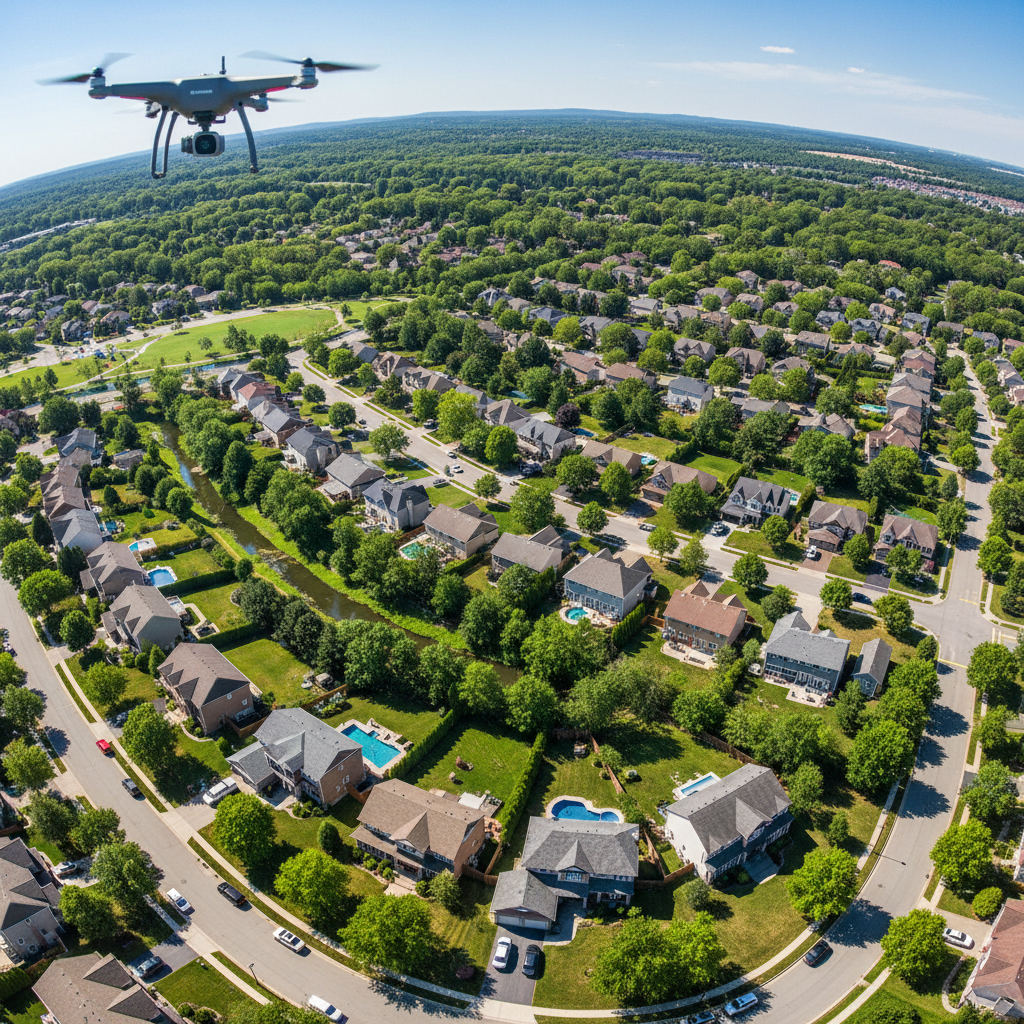
Real Estate Aerial
$400/shoot
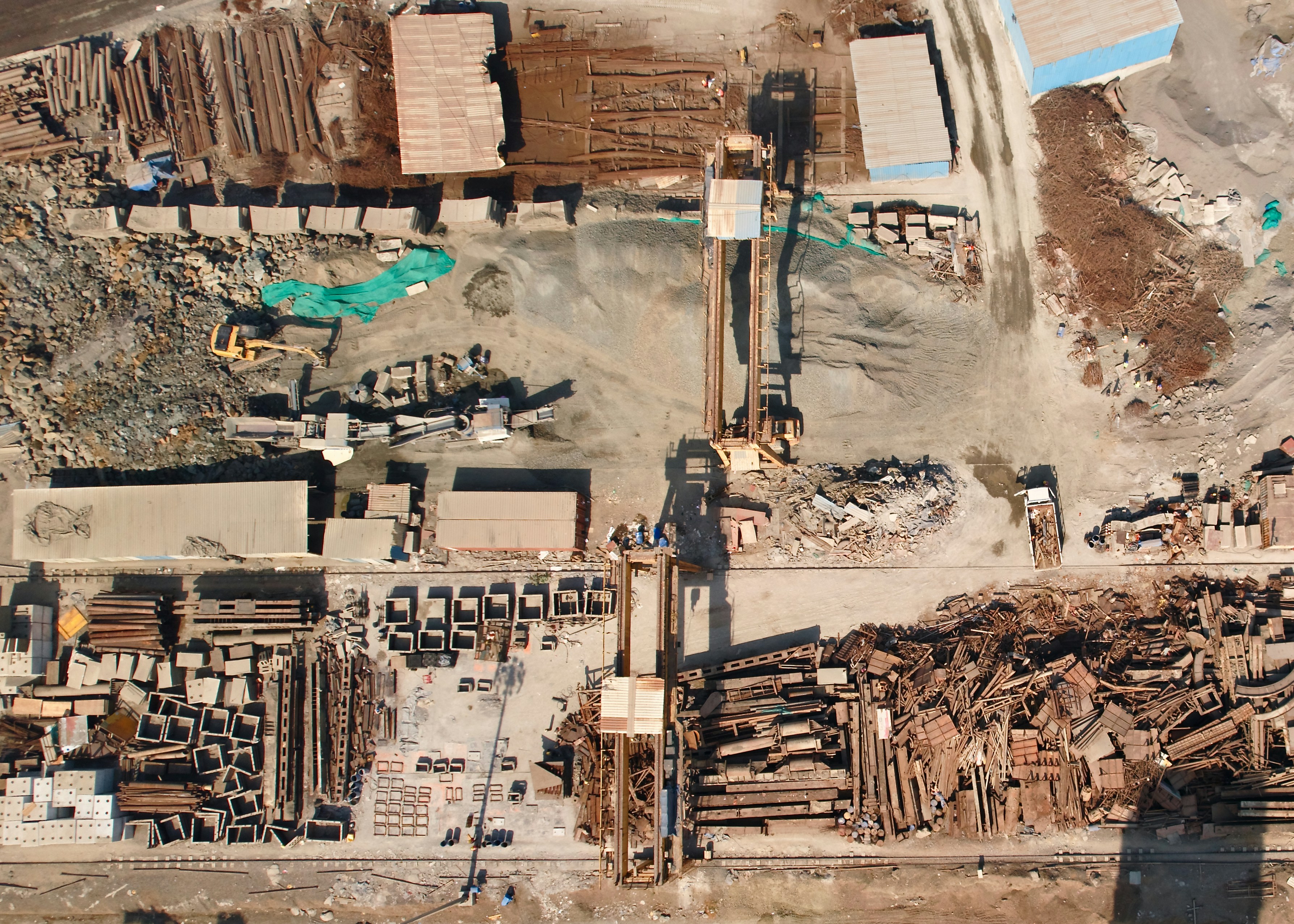
Construction Survey
$1,800/map
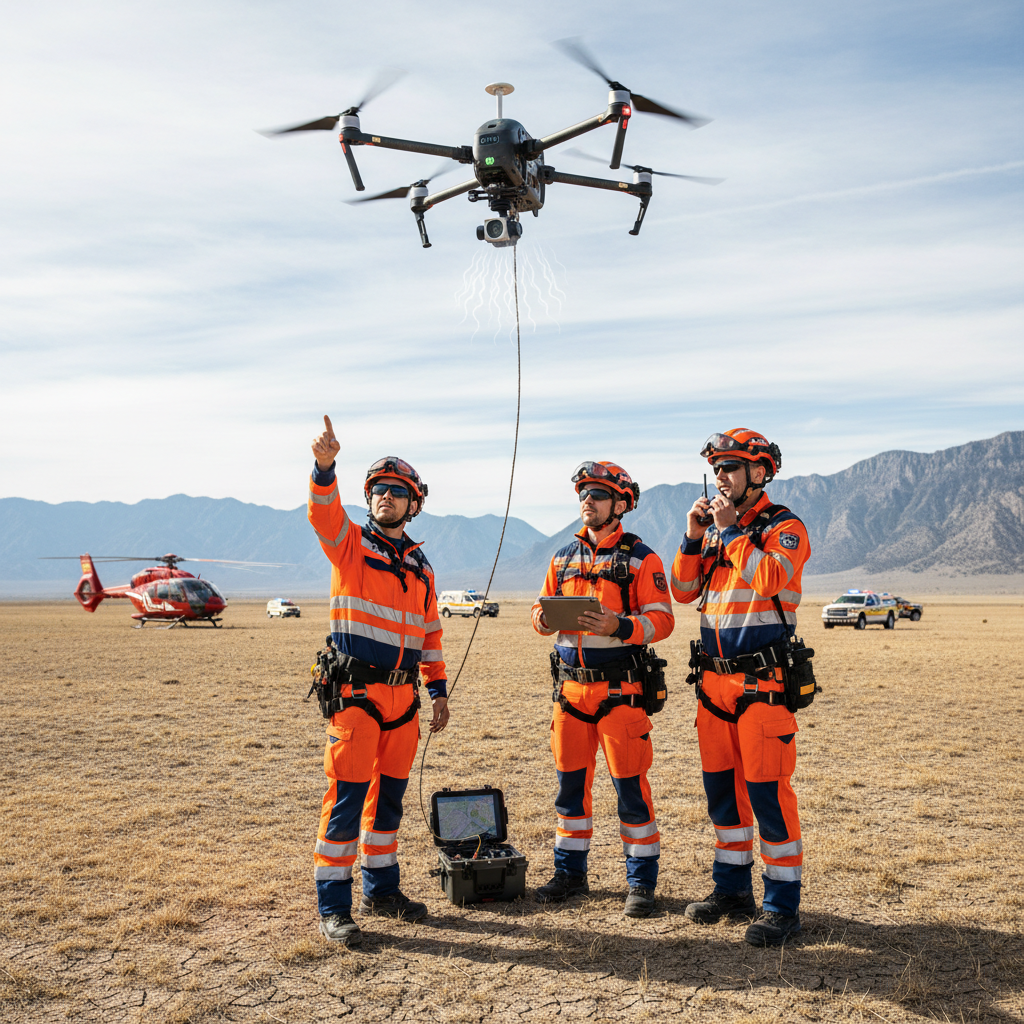
Search & Rescue Grid
Dept. funded
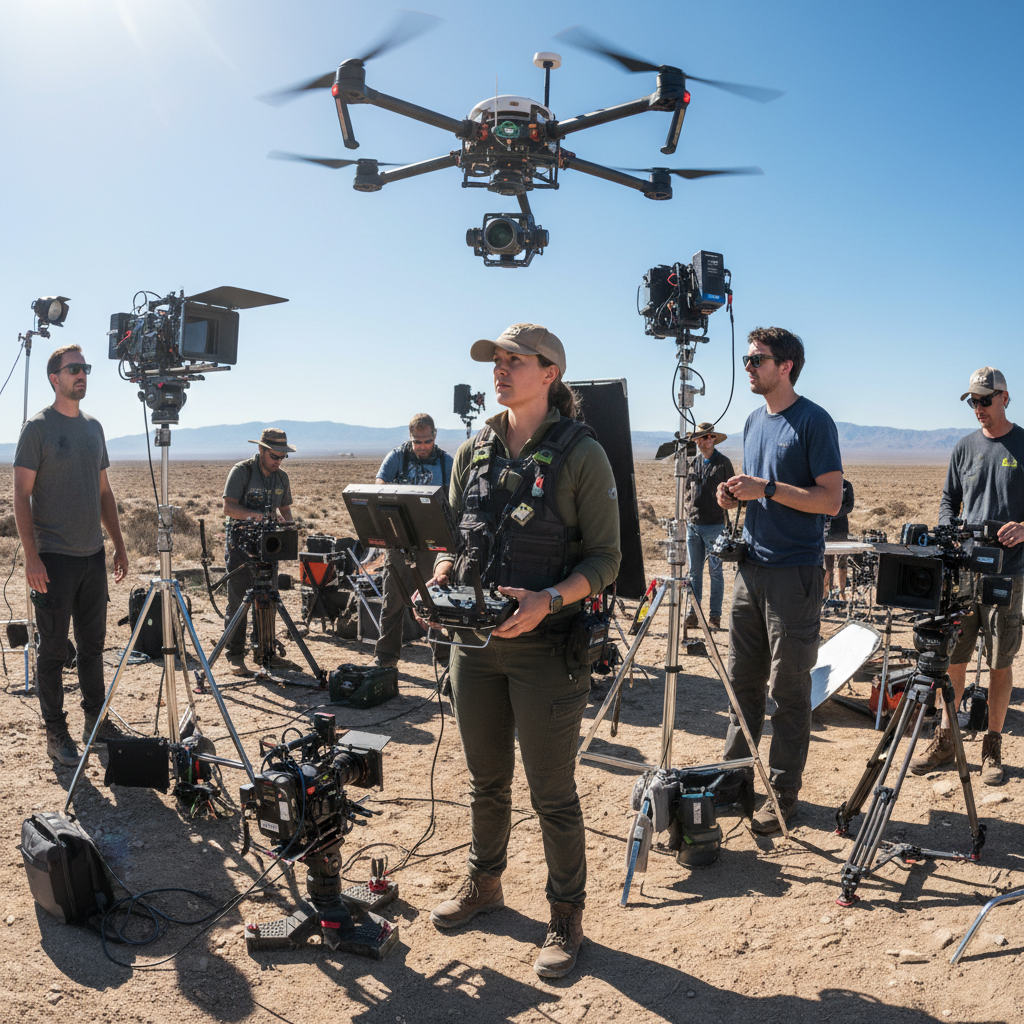
Film & Production
$750/day
Your name on the manifest.
87%
employed within 90 days of certification
3.4×
average income multiplier on first drone job
60 days
average time from enrollment to first paid flight
$0
cost to list on our graduate job board
Graduates now flying for
Book your seat.
Classes run every 4 weeks. Cohorts fill fast — the next available date is March 17, 2026.